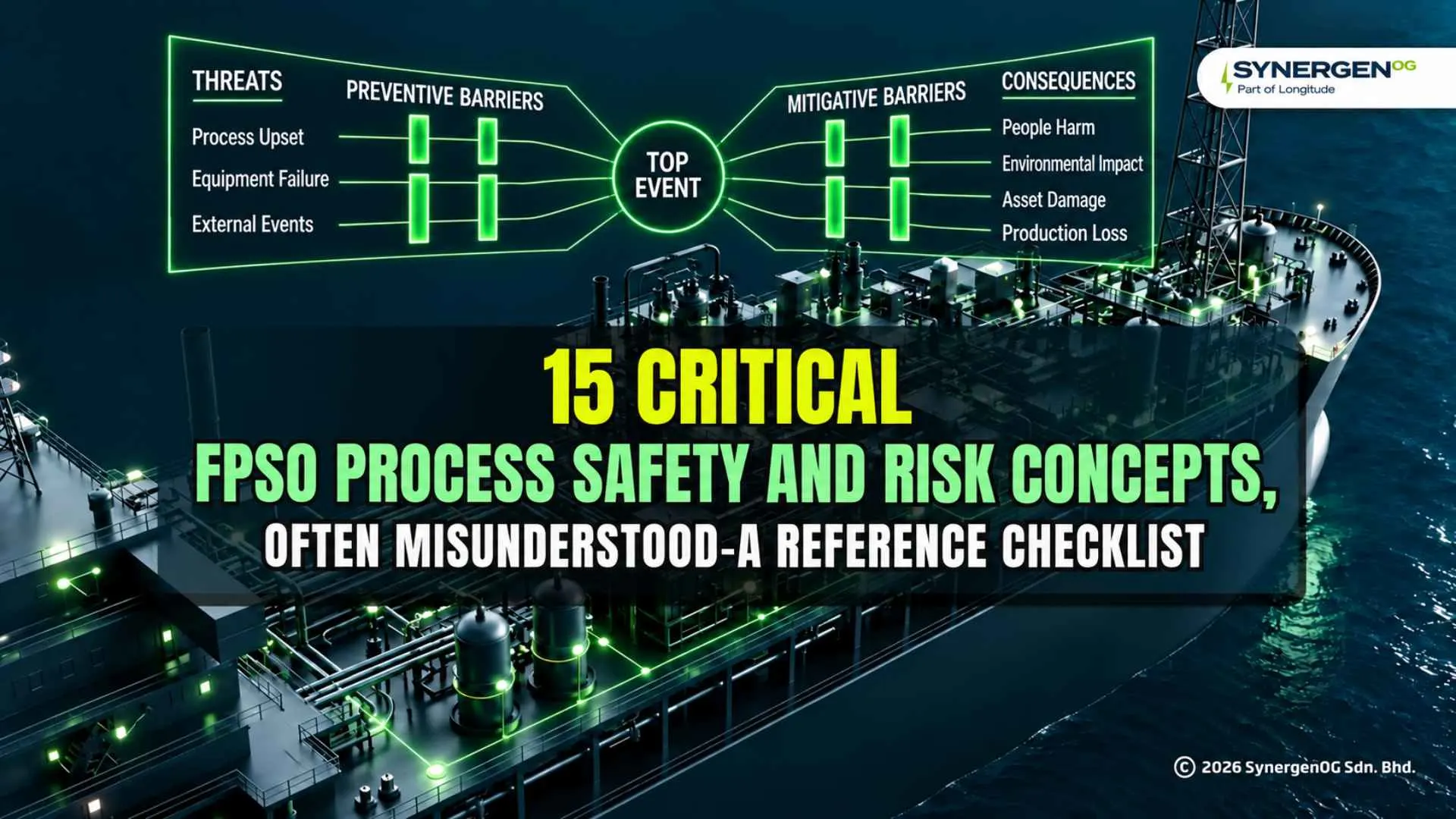
FPSO process safety and risk concepts are most useful when they are tied to specific major-accident scenarios and measurable barrier performance. For hydrocarbon process hazards, loss of primary containment is a common top event, but FPSO risk also includes collision, loss of station keeping, stability, structural, and marine events. This guide explains 15 concepts teams...Continue Reading
When Should a Gas Dispersion Study Be Updated? Revalidate a gas dispersion study whenever a change could invalidate the release, dispersion, geometry, environmental, or receptor assumptions used in the original model. Typical triggers include higher pressure or throughput, a new hazardous substance, added congestion or confinement, relocated vents, changes to HVAC or occupied areas, detector...Continue Reading
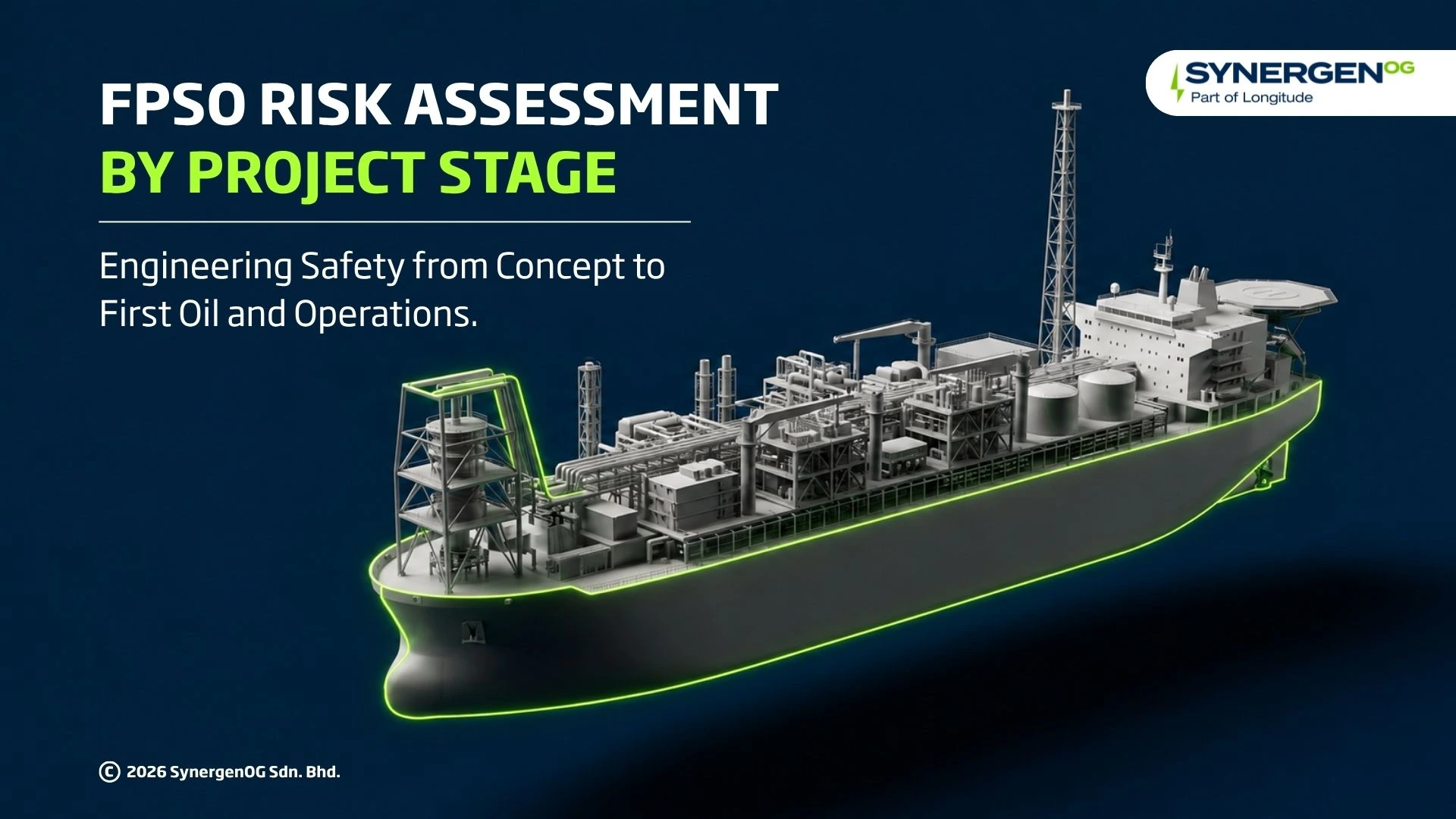
Which Safety Studies Does an FPSO Project Need? FPSO safety studies typically progress from broad hazard identification and concept risk screening to detailed hazard analysis, quantitative risk assessment, fire and explosion assessment, safeguard verification and operational readiness. Depending on project stage, design maturity, regulatory regime and risk profile, the programme may include HAZID, HAZOP, QRA, FERA,...Continue Reading
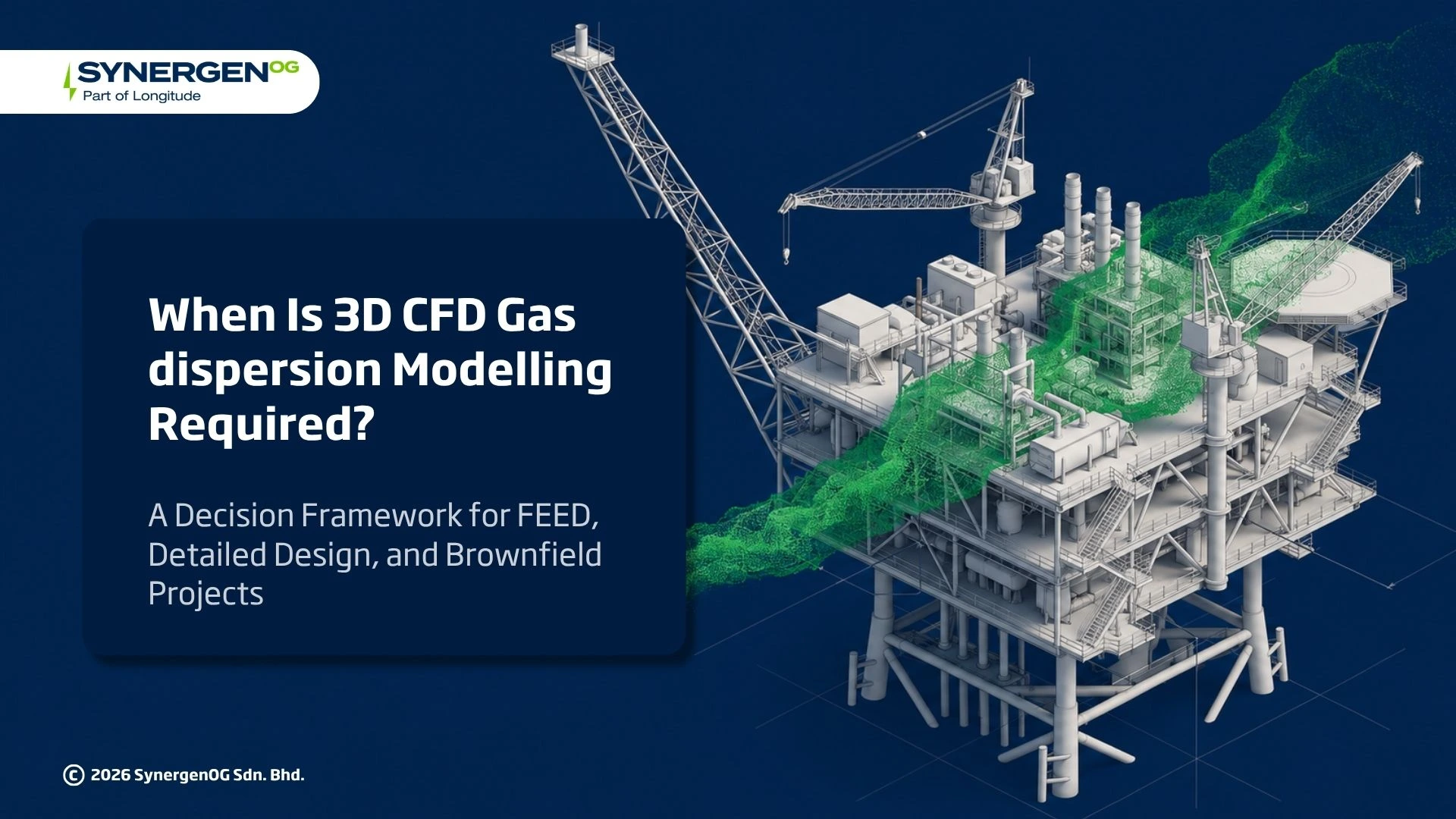
Summary: When is 3D CFD required in gas dispersion modelling? 3D CFD isn’t usually named as a legal requirement. UK and Australian rules apply the ALARP principle instead; US rules ask for a documented hazard analysis; Norway’s NORSOK standards build CFD into recognised offshore practice, though they’re industry standards, not statutes. In practice, CFD becomes...Continue Reading
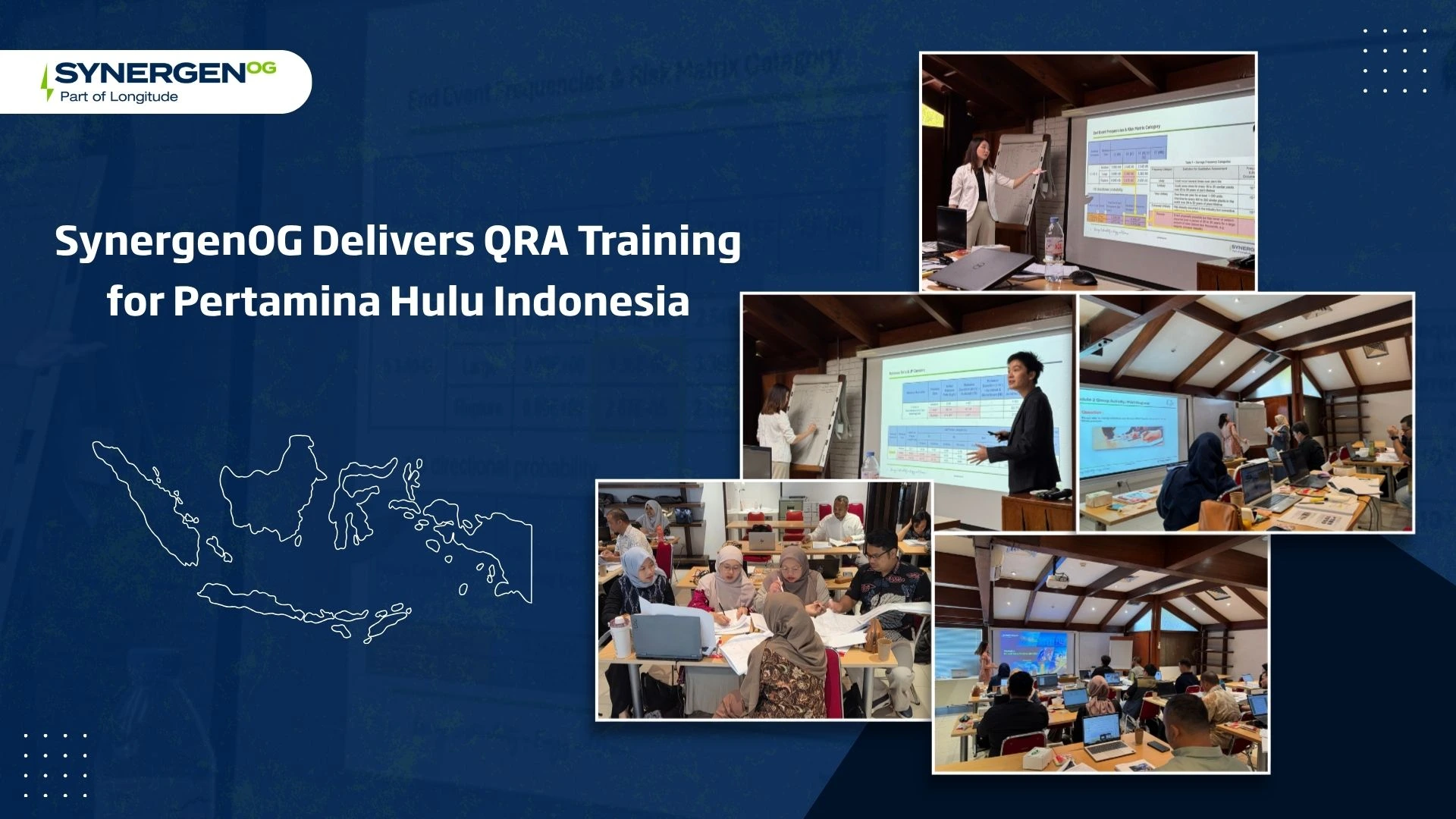
SynergenOG delivered a four-day Quantitative Risk Assessment (QRA) training programme for Pertamina Hulu Indonesia in Balikpapan, Indonesia. The programme was attended by 19 participants from functions including Process Safety and Asset Integrity, Asset Integrity and Reliability, Process Safety Assurance, Health, Safety, Security and Environment, Product Operations, and Surface Facilities Planning and Support. The training provided...Continue Reading
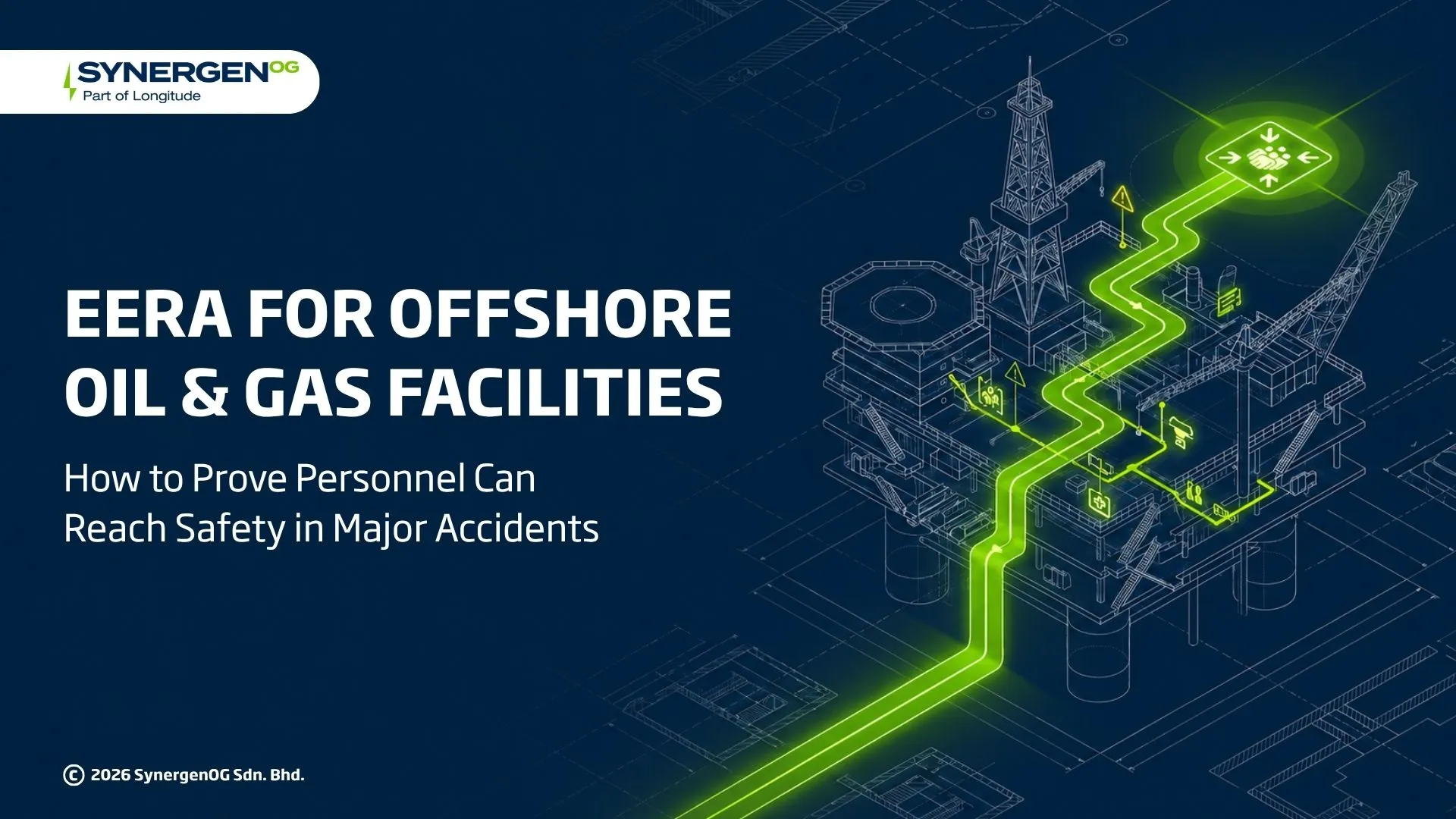
Summary: EERA—Evacuation, Escape and Rescue Analysis—tests whether offshore personnel can respond to a major accident, reach a suitable muster area or Temporary Refuge, and leave or escape the installation with a credible prospect of recovery and rescue. In the UK, PFEER regulation 5 requires this assessment and measurable performance standards for each credible scenario. It...Continue Reading
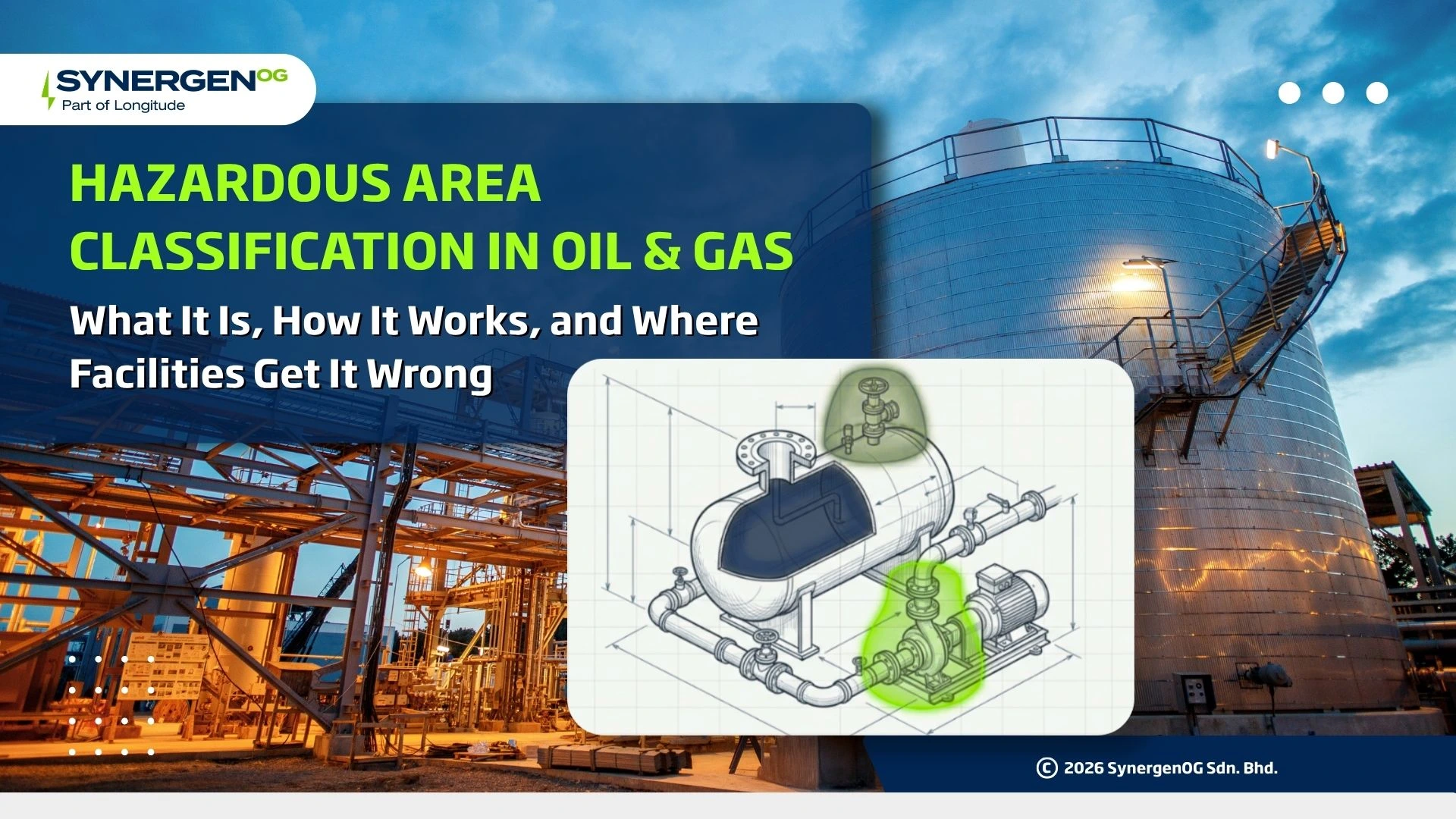
Summary: Hazardous area classification (HAC) identifies locations where flammable gas, vapour, mist, or combustible dust can form an explosive atmosphere. It classifies areas as Zone 0, Zone 1, Zone 2, or dust Zones 20, 21, and 22 based on release likelihood, duration, ventilation and material properties. A defensible HAC study supports Ex equipment selection, ignition...Continue Reading
SynergenOG is pleased to announce that Aqualis has successfully completed the acquisition of 100 percent of the shares in SynergenOG, a Southeast Asia-based process safety and technical risk management consultancy. SynergenOG will now be integrated with Aqualis’ design and engineering arm, Longitude. SynergenOG expands Longitude’s technical offering in process safety and technical risk management, while...Continue Reading
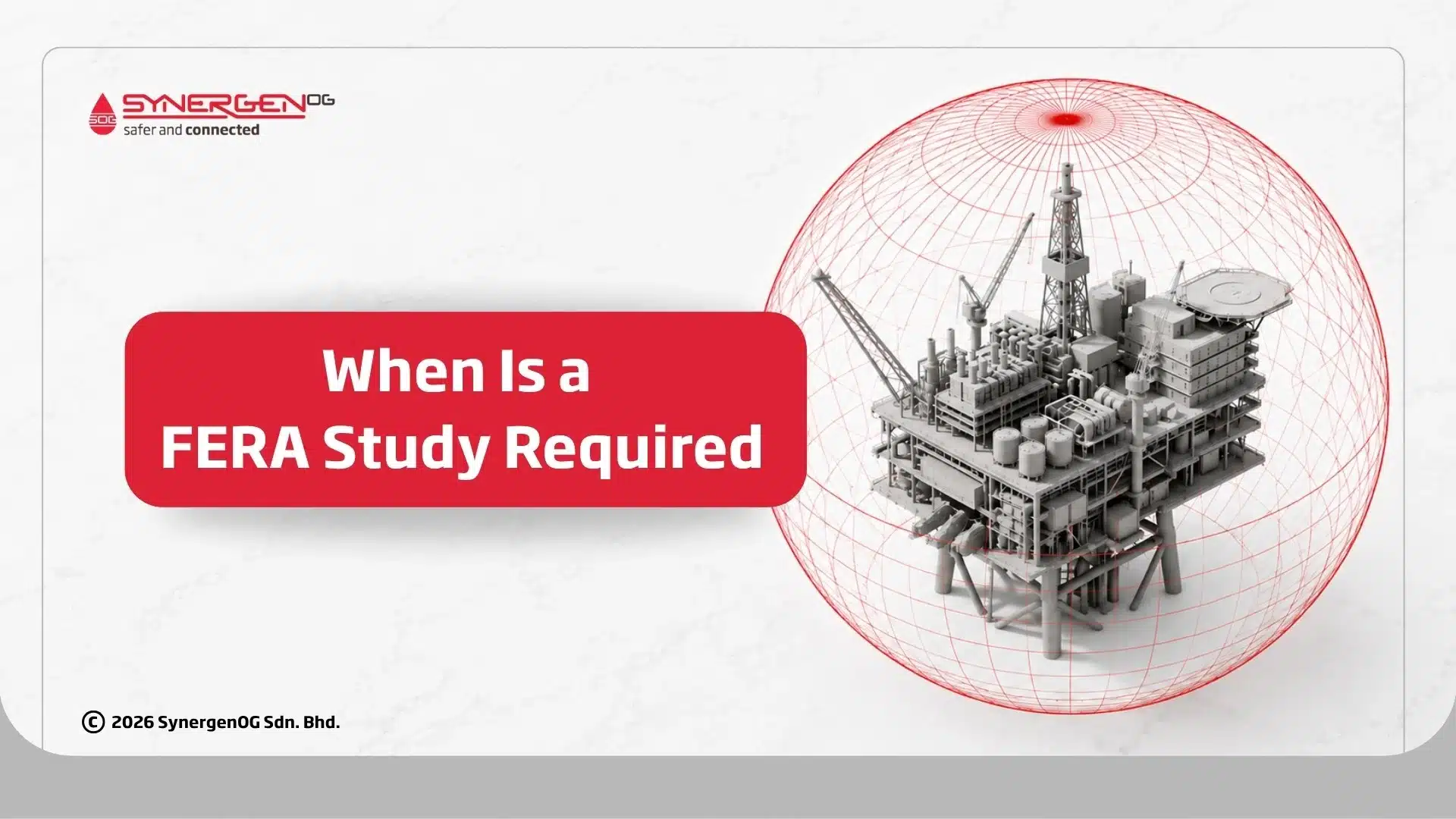
Summary: Imagine finalizing your facility design, only to discover late in the project that your layout cannot withstand a credible explosion scenario. This is exactly the kind of costly oversight a FERA study is meant to prevent, but only if it’s conducted at the right time. This is what this article explains: What is a...Continue Reading
Summary: What are the typical flaws in a HAZOP process? Why does a HAZOP study/workshop fail to fulfill its targeted aim? This article serves as a guide for engineering and safety professionals to restore the technical integrity of their process safety reviews by crossectioning the root causes of HAZOP failures. Hazard and Operability Study (HAZOP)...Continue Reading