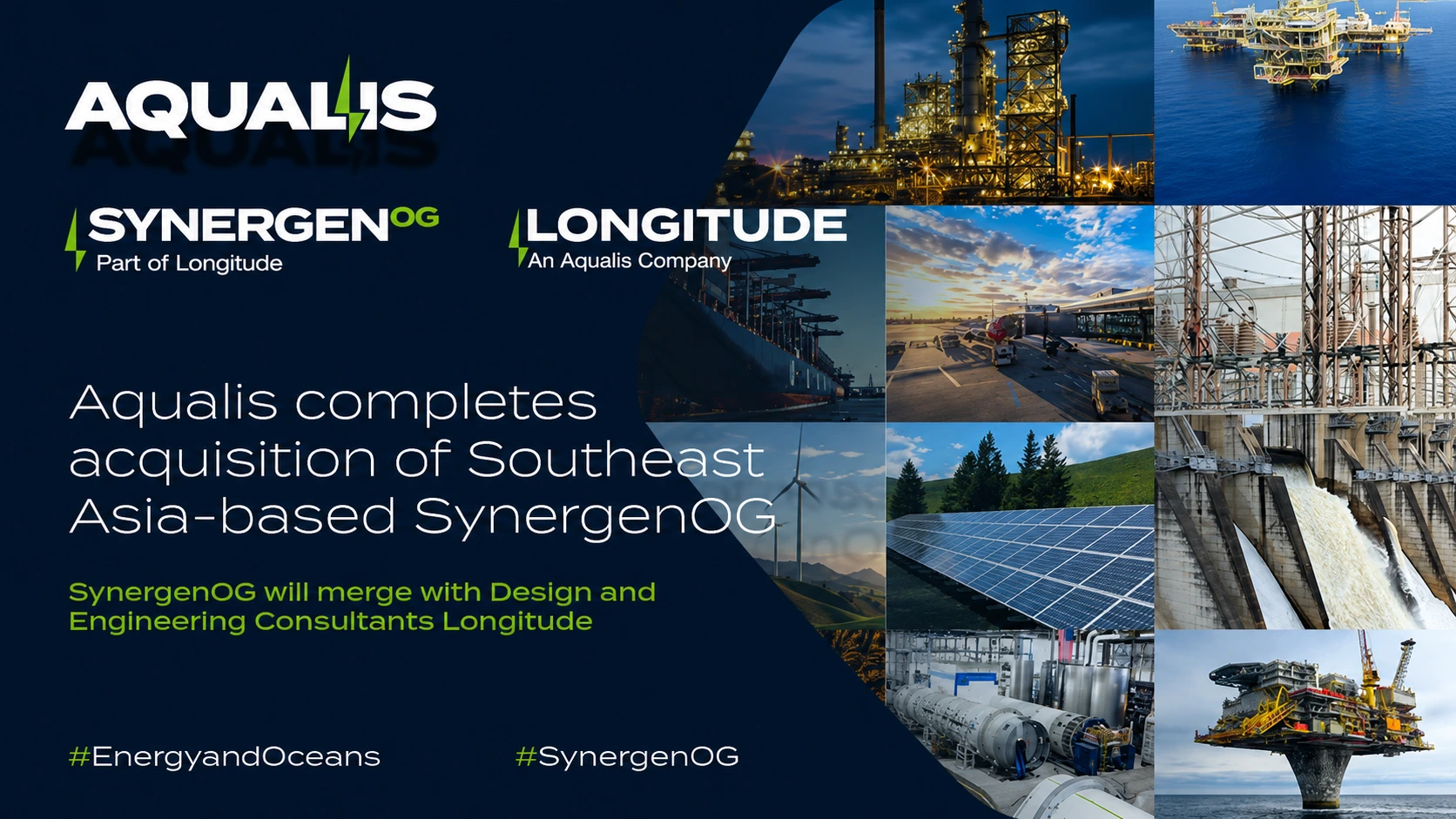
SynergenOG is pleased to announce that Aqualis has successfully completed the acquisition of 100 percent of the shares in SynergenOG, a Southeast Asia-based process safety and technical risk management consultancy. SynergenOG will now be integrated with Aqualis’ design and engineering arm, Longitude. SynergenOG expands Longitude’s technical offering in process safety and technical risk management, while...Continue Reading
Summary: Imagine finalizing your facility design, only to discover late in the project that your layout cannot withstand a credible explosion scenario. This is exactly the kind of costly oversight a FERA study is meant to prevent, but only if it’s conducted at the right time. This is what this article explains: What is a...Continue Reading
Summary: What are the typical flaws in a HAZOP process? Why does a HAZOP study/workshop fail to fulfill its targeted aim? This article serves as a guide for engineering and safety professionals to restore the technical integrity of their process safety reviews by crossectioning the root causes of HAZOP failures. Hazard and Operability Study (HAZOP)...Continue Reading
When a plant is approaching startup, the project can look finished long before it is truly safe to operate. Equipment may be installed. Procedures may be circulating. Commissioning may be underway. But once highly hazardous chemicals enter the system, small gaps can quickly escalate into startup delays, loss events, or serious process safety incidents. That...Continue Reading
13 May 2026: Global consultancy group ABL Group has signed an agreement to acquire 100% of the shares in Southeast Asia‑based consultancy SynergenOG, adding specialist capability in process safety and technical risk management and enhancing the group’s end‑to‑end technical offering to the energy industries. Upon completion of the acquisition, SynergenOG will be integrated with the...Continue Reading
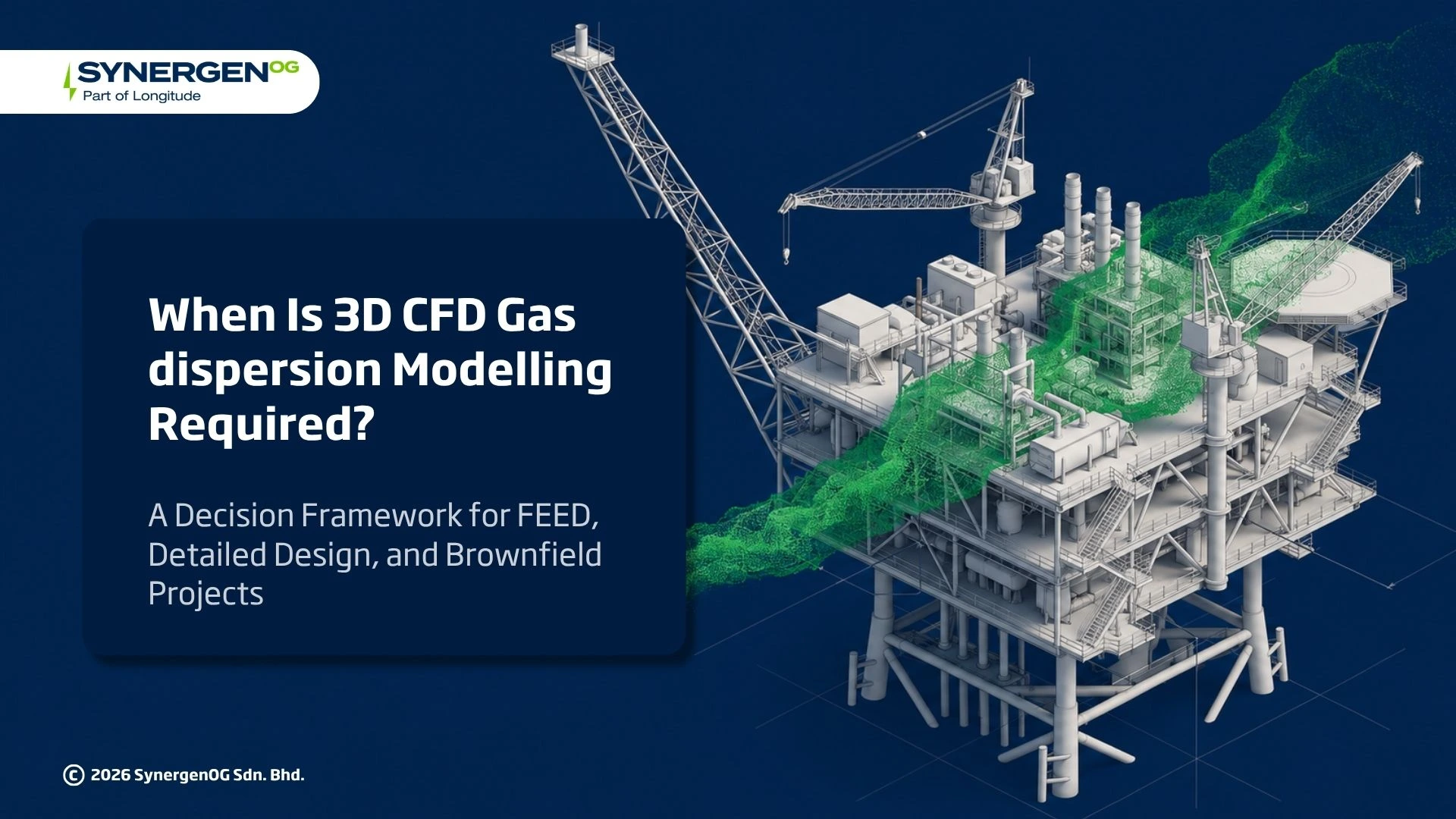
What is gas dispersion modelling in risk assessment? Dispersion analysis is the simulation of how a hazardous gas release moves, dilutes, and settles after a leak. It is a core part of quantitative risk assessment (QRA) because it helps safety teams predict toxic and flammable hazard zones, improve gas detector mapping, and support compliance and...Continue Reading
In July 2023, a catastrophic series of explosions and fires struck Dow Chemical Company’s Glycol II plant in Plaquemine, Louisiana, releasing more than 31,000 pounds of toxic and highly flammable ethylene oxide (EtO). The incident triggered a shelter-in-place order for nearby residents and caused severe damage to the facility. The U.S. Chemical Safety and Hazard...Continue Reading
What is an electronic safetycase? It is a web-based platform built to provide live Safety Case information in a simple, clear format, making it easier for the workforce to access, understand, and contribute to maintaining facility safety. The Safety Case “Shelfware” Problem If you work in oil & gas, chemicals, or energy, you already know...Continue Reading
Can Generative AI Improve Hazard Identification? Explore the 2026 era of AI in HAZOP. Discover how Generative AI, Knowledge Graphs, and Functional Digital Twins are reducing study times by 50% while uncovering “blind spot” hazards. Read the full article. AI and the Economic Safety Gap HAZOP has earned its place as the workhorse of process...Continue Reading
What is the 2026 methane regulation? As of February 2026, the EU has effectively banned routine venting and flaring for fossil fuel operations. Member states are required to implement “effective, proportionate, and dissuasive” penalties for emissions above set thresholds. The EPA has officially launched its third-party monitoring program under Subpart OOOOb. Read full article. In...Continue Reading